Tuesday, 15 January 2013


HA1 Task 6 - IP
Franchised IP
HARRY POTTER: SERIES

Concept: it was about a boy wizard, who is the 'chosen one'. he attended a school of witchcraft and wizadry. it was intended to embed the audience within a world of magic.
inspiration:
British folklore and mythology
The Iliad
The Bible
Aeschylus
The Pardoner's Tale
Macbeth
William Penn
Emma
The Story of the Treasure Seekers
The Wind in the Willows
Dorothy L. Sayers
The Chronicles of Narnia
the little white horse
The Sword in the Stone
Manxmouse
Jessica Mitford
history: there was seven books
Harry Potter and the Philosopher's Stone
Harry Potter and the Chamber of Secrets
Harry Potter and the Prisoner of Azkaban
Harry Potter and the Goblet of Fire
Harry Potter and the Order of the Phoenix
Harry Potter and the Half-Blood Prince
Harry Potter and the Deathly Hallows
Then films
Harry Potter and the Philosopher's Stone
Harry Potter and the Chamber of Secrets
Harry Potter and the Prisoner of Azkaban
Harry Potter and the Goblet of Fire
Harry Potter and the Order of the Phoenix
Harry Potter and the Half-Blood Prince
Harry Potter and the Deathly Hallows part 1
Harry Potter and the Deathly Hallows part 2
Serialised IP

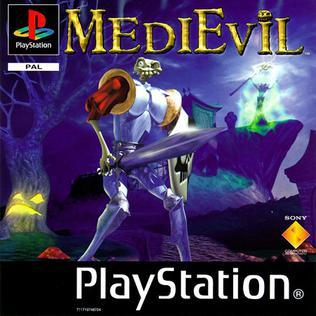
concept: The first design proposal for the game had the working title ‘Dead Man Dan’ and described a game that was a fusion of Capcom’s Ghouls ‘n’ Ghosts with the art style of Tim Burton – especially the look and feel of The Nightmare Before Christmas. In both cases these were things that I was a huge fan of back in the mid ’90s. Lead artist Jason Wilson shared my interest in dark, gothic influenced artwork and we worked together to define the look and feel of the game
inspiration: It was inspired by tim burtons style of art
history: It was released in Europe and North America in October 1998 and in Japan in June 1999. The game was later re-released on PlayStation Network in 2007. The game was followed by a sequel, MediEvil 2, in 2000, and received a PlayStation Portable remake in 2005 titled MediEvil: Resurrection.
HA1 Task 5 - Budgets
BUDGETS
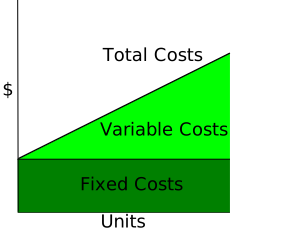 Variable Costs: Variable costs are those costs that vary depending on a company's production volume, they rise as production increases and fall as production decreases. For instance, if you sell chicken, your variable costs would include the cost of the chicken from either a supermarket i.e. Tesco or the the local farmer, the condiments as well as the packaging.
Fixed Costs:
A cost that does not change with an increase or decrease in the amount of goods or services produced.They tend to be time-related, such as salaries or rents being paid per month, and are often referred to as overhead costs.

Beak even-point : The break even-point is where your company hasn't gained or lost profit. It is the point in buisness when the gross-profit that your company have set and it has been met.

Monitoring: In buisness, it is required to set a budget and monitor at least 2 times a month, This is nessesary to establish where extra costs can then be cut and ensure fixed-cost have not been breeched.


Beak even-point : The break even-point is where your company hasn't gained or lost profit. It is the point in buisness when the gross-profit that your company have set and it has been met.

Monitoring: In buisness, it is required to set a budget and monitor at least 2 times a month, This is nessesary to establish where extra costs can then be cut and ensure fixed-cost have not been breeched.

Wednesday, 3 October 2012
HA1 Task 7 - Contractual, Legal, Ethical and Professional Bodies
Contractual
Employment:
An agreement entered into between an employer and an employee at the time the employee is hired that outlines the exact nature of their business relationship, specifically what compensation the employee will receive in exchange for specific work performed. I have had a personal experience with an emplyment contract, when i started working at Primark i help them by doing the work that is needed to be done and in return they provide me with money to help me save up for things such as driving lessons, games, university etc...
Employment:
An agreement entered into between an employer and an employee at the time the employee is hired that outlines the exact nature of their business relationship, specifically what compensation the employee will receive in exchange for specific work performed. I have had a personal experience with an emplyment contract, when i started working at Primark i help them by doing the work that is needed to be done and in return they provide me with money to help me save up for things such as driving lessons, games, university etc...
Development:
Within the gaming industry, most publishers hire game developers to create the games for them. When the occurs the two companies come together and come up with a development agreement in the form of a contract. The conditions of the agreement states the terms, onership and the warranties about the game in development.
For instance, within the terms section, it will shown how the publisher will pay the developers to create the game of there specific standards and it will show if there is any royalties and what the royal rate is.
The ownership is basically who owns the IP (Intellectual property) either the developers or the publishers. If the IP is successful, the ownership can be a strength to both publishers and the developers. The party who has the ownership of the IP will then be able to make and carry on producing merchandise without paying the other party.
Ther warranties is the agreement which tells the developing company that it has to promise that it wont use anyone else's source code when developing the game and the publishing company has to promise that it has the right to as the developer to create this particular game.
License:
When a publisher wants to have a good game made about a movie, tv show, toys, etc.. The publisher and the owner of that inparticular IP make a contract which defines the details of the license agreement.
These details tell us what the publisher can and not allowed to do with that inparticular IP. For example, the publisher may only be able to use some of the characters or certain places.
Although, it will also effect which platforms that inpartictular IP owner is willing to allow the game to be published on, PlayStation, Xbox , etc..
The boundaries in which the game is release will also be apart of the lisense for instance, the game will be released in the USA but not be released in Europe.
There are some contracts that will last a very long time but most
There is also a term for how long the contract will last (Most contracts don't go on forever). They don't normally run longer than five years. After this term has ended, the license holder no longer has the right to produce merchandise related to the licensed IP.
A good example of this would be The Matrix video game series which was produced by Shiny entertainment Games.
Within the gaming industry, most publishers hire game developers to create the games for them. When the occurs the two companies come together and come up with a development agreement in the form of a contract. The conditions of the agreement states the terms, onership and the warranties about the game in development.
For instance, within the terms section, it will shown how the publisher will pay the developers to create the game of there specific standards and it will show if there is any royalties and what the royal rate is.
The ownership is basically who owns the IP (Intellectual property) either the developers or the publishers. If the IP is successful, the ownership can be a strength to both publishers and the developers. The party who has the ownership of the IP will then be able to make and carry on producing merchandise without paying the other party.
Ther warranties is the agreement which tells the developing company that it has to promise that it wont use anyone else's source code when developing the game and the publishing company has to promise that it has the right to as the developer to create this particular game.
License:
When a publisher wants to have a good game made about a movie, tv show, toys, etc.. The publisher and the owner of that inparticular IP make a contract which defines the details of the license agreement.
These details tell us what the publisher can and not allowed to do with that inparticular IP. For example, the publisher may only be able to use some of the characters or certain places.
Although, it will also effect which platforms that inpartictular IP owner is willing to allow the game to be published on, PlayStation, Xbox , etc..
The boundaries in which the game is release will also be apart of the lisense for instance, the game will be released in the USA but not be released in Europe.
There are some contracts that will last a very long time but most
There is also a term for how long the contract will last (Most contracts don't go on forever). They don't normally run longer than five years. After this term has ended, the license holder no longer has the right to produce merchandise related to the licensed IP.
A good example of this would be The Matrix video game series which was produced by Shiny entertainment Games.
Subscribe to:
Posts (Atom)